

Table of Contents
- What Is Ringworm and Why It Spreads in BJJ
- Recognize the Early Signs of Ringworm on Skin
- Post-Training Hygiene: Your First Line of Defense
- Best Soap for BJJ Athletes and Skin Care
- How to Disinfect Your BJJ Gi and Gear
- How to Prevent Ringworm Between Training Sessions
- When to Return to the Mats After Ringworm
- Frequently Asked Questions
What Is Ringworm and Why It Spreads in BJJ
Ringworm is a fungal infection caused by dermatophytes, not an actual worm. The condition, medically known as tinea corporis, thrives in warm, moist environments and spreads rapidly through skin-to-skin contact. BJJ athletes face elevated risk because grappling involves constant friction, minor skin abrasions, and prolonged contact with training partners on shared mats.
The fungus doesn't care about your skill level or how often you train. It exploits the perfect storm: sweat-soaked gi, mat contamination, open wounds from mat burn, and the close quarters of the cage or mat. A single infected athlete can expose an entire team within days. This is why how to prevent ringworm in BJJ isn't optional, it's foundational to staying healthy and keeping your training partners safe.
The good news is that prevention is straightforward once you understand the mechanics of transmission and cross-contamination.
Recognize the Early Signs of Ringworm on Skin
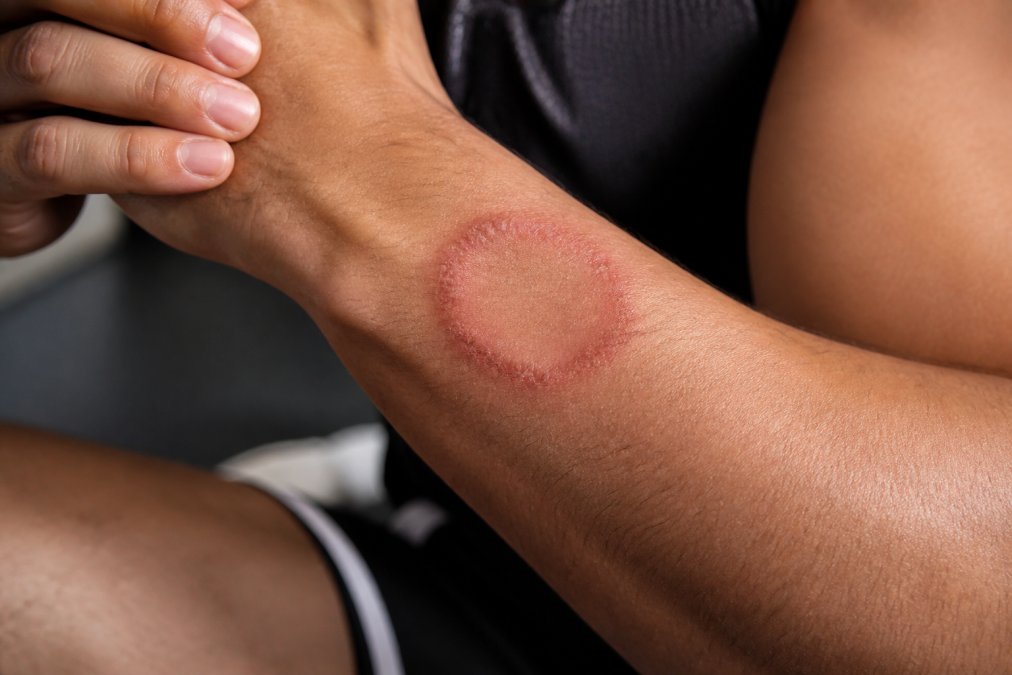
Catching ringworm early stops it from spreading to your teammates and keeps you training sooner. The classic presentation is a red, scaly patch with a ring-shaped border, hence the name. Early lesions often appear as small, itchy red areas that gradually expand outward over several days.
Look for these specific markers: the affected area may feel slightly raised, display a clear demarcation from healthy skin, and often itch or burn. On darker skin tones, the rash may appear as hypopigmented (lighter) patches rather than bright red. The lesion typically starts small, about the size of a pea or dime, then grows outward in a circular pattern.
Common locations for BJJ athletes include the arms, shoulders, chest, and legs, anywhere prone to friction or mat contact. If you notice any suspicious rash within 48 hours of training, stop grappling and see a healthcare provider. Self-diagnosis is risky; staph infections, eczema, and other skin conditions can mimic ringworm.
Post-Training Hygiene: Your First Line of Defense
Post-training hygiene is where prevention actually happens. The window between training and showering is critical, every minute counts. Sweat, bacteria, and fungal spores accumulate on your skin during intense grappling. If you don't remove them quickly, they colonize and multiply.
The goal isn't just to feel clean; it's to eliminate the conditions that allow dermatophytes to take hold. Fungal spores need warmth, moisture, and time. A proper post-training routine disrupts all three.
Shower immediately after training
Shower within 15 minutes of finishing your session, ideally within 5 minutes. This is non-negotiable if you want to prevent ringworm in BJJ. Don't wait until you get home. If your gym doesn't have showers, use a high-quality body wipe designed for athletes as an interim solution.
Use lukewarm water, not scalding hot, which can irritate already-compromised skin. Scrub thoroughly with a washcloth or exfoliating mitt, paying special attention to areas that made contact with the mat: forearms, shoulders, chest, legs, and feet. Spend at least 2-3 minutes washing. Rush jobs leave fungi behind.
Pay extra attention to any existing cuts, scrapes, or mat burn. These open wounds are highways for infection. Gently but thoroughly clean around them without causing additional damage.
Use the right soap for BJJ athletes
Standard body wash isn't enough. You need antimicrobial soap that kills bacteria and fungi without stripping your skin. Look for soaps containing ingredients like tea tree oil, chlorhexidine, or other antifungal compounds.
Avoid heavily fragranced or moisturizing body washes, they can trap bacteria and create a film that prevents proper cleaning. Antibacterial soaps are effective, but don't overuse them; they can disrupt your skin's natural microbiome if used excessively.
One practical approach: use an antimicrobial soap for your first wash post-training, then follow with a gentle cleanser to avoid over-drying. This balances infection prevention with skin health.
Best Soap for BJJ Athletes and Skin Care
The best soap for BJJ athletes combines antimicrobial effectiveness with skin-friendly formulation. You're looking for something that kills dermatophytes and staph without causing irritation or excessive dryness.
Effective ingredients include tea tree oil, which has documented antifungal properties, and chlorhexidine gluconate, a broad-spectrum antimicrobial. Some athletes prefer benzoyl peroxide-based body washes, which target both fungal and bacterial infections. The trade-off is that benzoyl peroxide can bleach fabrics and may irritate sensitive skin.
For athletes with sensitive skin, a gentler approach combines a basic antimicrobial soap with a follow-up moisturizer designed for post-workout use. This prevents the over-drying that can actually increase infection risk by compromising your skin barrier.
However, soap alone isn't sufficient if you can't shower immediately. This is where specialized body wipes become essential. The Ulti-Mitt Body Wipes from Athlete Armor are engineered specifically for post-training use when a shower isn't available. Each mitt deodorizes, sanitizes, and removes sweat, dirt, and bacteria, including ringworm and staph spores, without requiring water. The extra-large, durable design covers significant skin surface quickly, and the antimicrobial formula works within minutes.

For teams or frequent competitors, having a supply of these wipes in your gym bag ensures you can clean up between rounds, after practice, or while traveling to tournaments. One mitt covers your entire torso and limbs, and a single wipe takes about 90 seconds.
How to Disinfect Your BJJ Gi and Gear
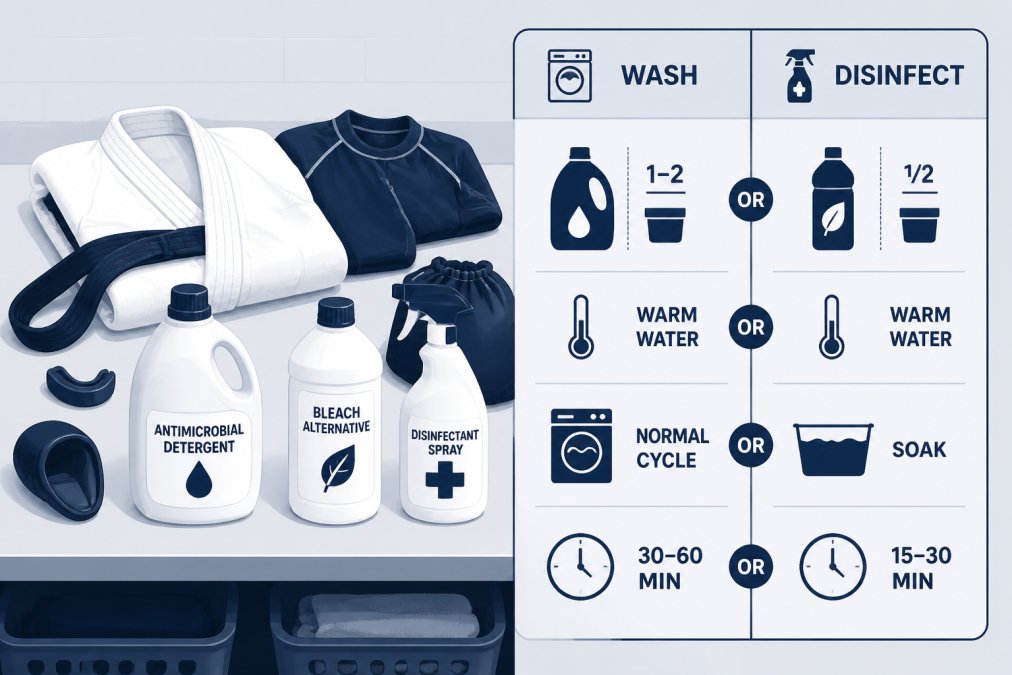
Your gi and gear are vectors for ringworm transmission. A contaminated gi worn by an infected athlete can spread the fungus to everyone who grapples with them next. Proper disinfection breaks this chain.
Laundry protocols for synthetic vs. cotton gear
Cotton gis require different treatment than synthetic blends. Cotton absorbs moisture deeply, which can trap fungal spores in the fabric if not properly disinfected.
For cotton gis:
- Wash in the hottest water the fabric can tolerate (check the label)
- Use a laundry disinfectant or add white vinegar (1 cup per load) to the rinse cycle
- Dry in direct sunlight if possible, UV light kills dermatophytes
- If using a dryer, use the highest heat setting safe for the fabric
For synthetic blends:
- Hot water washing is still effective, but synthetic materials tolerate it better than pure cotton
- Use antimicrobial laundry additives designed for athletic wear
- Air-dry when possible; synthetic materials dry quickly and sunlight adds an extra disinfection layer
- Avoid fabric softeners, which can leave a residue that harbors bacteria
Wash your gi after every training session. Don't let it sit in a gym bag for days. The longer it stays damp, the more fungi multiply. If you train multiple times per week, you need at least two gis so one is always clean while the other is drying.
Mat cleaning protocols for gym owners
Gym owners and coaches bear responsibility for mat sanitation. A contaminated mat is a ringworm incubator.
Mats should be cleaned daily with an antimicrobial cleaner designed for athletic surfaces. Standard floor cleaners don't kill dermatophytes; you need something specifically formulated for this purpose. Spray the entire mat surface, let the solution sit for the time recommended on the product label (usually 5-10 minutes), then wipe thoroughly.
For high-traffic areas where athletes make direct contact (the center of the mat, takedown zones), consider more frequent spot-cleaning throughout the day. Weekly deep cleaning with a commercial-grade disinfectant is also recommended.
If an athlete has confirmed ringworm, quarantine that mat section for 24-48 hours and perform an intensive disinfection cycle. This prevents the infection from spreading to the entire facility.
How to Prevent Ringworm Between Training Sessions
Prevention between sessions is about managing your environment and your body. This is where the details matter.
Manage skin abrasions and open wounds
Mat burn and minor cuts are gateways for fungal infection. Treat them immediately after training. Clean the wound with soap and water, apply an antibiotic ointment, and cover it with a clean bandage if it's actively weeping.
Change bandages daily and keep the wound clean and dry. If you have an open wound, consider sitting out until it's sealed. Grappling with an open wound exposes it to contaminated mats and training partners' skin flora.
For chronic mat burn or repeated abrasions in the same area, use protective gear. Compression sleeves or rash guards create a barrier between your skin and the mat. This is especially important if you're prone to skin infections.
Screen training partners and avoid cross-contamination
Know who you're training with. If a teammate has active ringworm, don't grapple with them until they've been cleared by a healthcare provider and have completed treatment. This isn't punishment, it's basic hygiene.
Communicate openly about skin infections in your gym. Many athletes hide ringworm because they're embarrassed or worried about being benched. A culture that normalizes reporting infections encourages early treatment and prevents outbreaks.
Don't share towels, water bottles, or personal items. Ringworm can spread through contaminated surfaces. Use your own towel, your own water bottle, and your own headgear.
If you travel for tournaments, bring your own mat if possible, or inspect the competition mat before training. Ask the host gym about their disinfection protocols. Tournaments are high-risk environments for cross-contamination because athletes from different facilities train in close proximity.
When to Return to the Mats After Ringworm
The timeline for returning to training depends on the severity of infection and the treatment used. Most topical antifungal medications require 2-4 weeks of consistent use before the infection fully clears. However, you can often return to training sooner if you take precautions.
Consult your healthcare provider before returning. Some infections clear faster than others, and individual factors matter. Generally, if the lesion is completely covered and you're using prescribed antifungal medication consistently, you can return to light training after 5-7 days if the infection isn't spreading.
Return cautiously. Avoid heavy rolling or intense grappling for at least 10-14 days. Sweat and friction can re-activate the infection. Cover the affected area completely with a bandage or athletic tape. Inform your training partners that you're returning from ringworm so they can monitor themselves for symptoms.
Continue antifungal treatment for the full duration prescribed by your healthcare provider, even if the rash disappears. Stopping treatment early causes relapse.
Ringworm doesn't have to derail your training. The athletes who stay infection-free are the ones who commit to post-training hygiene, proper gear disinfection, and honest communication with their teammates. Shower immediately after training, use antimicrobial soap, disinfect your gi after every session, and keep your mat clean.
When you can't shower right away, between rounds at a tournament, after an unexpected training session, or while traveling, specialized body wipes like Athlete Armor's Ulti-Mitt ensure you're not carrying bacteria and fungi to your next environment. The extra-large, durable design covers your entire body quickly, and the antimicrobial formula works without water. Shop & Save Now!

| Prevention Strategy | When to Use | Frequency | Expected Result |
|---|---|---|---|
| Shower with antimicrobial soap | Immediately post-training | After every session | Removes 95% of surface fungi and bacteria |
| Body wipes (Ulti-Mitt) | When shower unavailable | Between rounds, travel | Sanitizes skin within 2-3 minutes |
| Gi disinfection | After training session | Every wear | Kills dermatophytes in fabric |
| Mat cleaning | Daily routine | Once per day minimum | Prevents facility-wide contamination |
| Wound management | After training | Daily until healed | Closes infection gateway |
| Training partner screening | Before grappling | Ongoing | Stops cross-contamination |
CDC information on fungal infections and tinea corporis
American Academy of Dermatology guidance on ringworm prevention
OSHA guidelines on bloodborne pathogen and infection control in athletic facilities
Frequently Asked Questions
What are the early signs of ringworm in grapplers?
Ringworm (tinea corporis) typically appears as a red, scaly, ring-shaped rash on the skin. Early signs include itching, redness, and a circular lesion that may expand over time. In BJJ athletes, it often develops on areas of frequent skin-to-skin contact: the arms, shoulders, neck, and face. The rash may feel slightly raised and can be mistaken for mat burn initially. If you notice any unusual rash after training, wash the area immediately with antifungal soap and avoid rolling until you've had it evaluated by a dermatologist.
How long after getting ringworm can I return to BJJ training?
Most dermatologists recommend waiting until the lesion has been treated with topical antifungal medication (like clotrimazole or terbinafine) for at least 2-3 weeks and the rash is no longer visible or actively spreading. Some recommend waiting until treatment is complete, which can take 4-6 weeks depending on severity. Never return to rolling if the infection is still active or if you haven't started treatment. Consult your doctor for a specific clearance date. Until then, you risk spreading the dermatophyte to training partners and reinfecting yourself through skin-to-skin contact.
How do I disinfect my BJJ gi to prevent ringworm?
Wash your gi in hot water (at least 130°F) with a laundry disinfectant or antifungal detergent designed to kill fungal spores. Use a full wash cycle and avoid mixing with other clothes. For cotton gi, hot water is effective; for synthetic materials, check the care label to avoid damage. Dry on high heat if possible, as heat kills dermatophyte spores. Wash your gi immediately after every training session, don't leave it in a gym bag. If someone with ringworm trained in your gi, wash it twice and consider soaking it in a diluted bleach solution (1 part bleach to 10 parts water) for 30 minutes before washing.
Is it safe to roll with someone who has an active ringworm infection?
No. Active ringworm is a community-acquired infection spread through direct skin-to-skin contact. Rolling with someone who has an untreated lesion significantly increases your risk of infection. Ringworm spores can survive on mats and gear, and grappling creates the ideal environment for cross-contamination due to sweat, friction, and open skin abrasions. If a training partner discloses an active infection, they should sit out until treatment is complete and cleared by a dermatologist. Responsible gym culture includes screening training partners and asking about active skin infections before rolling.
This article was written using GrandRanker


